


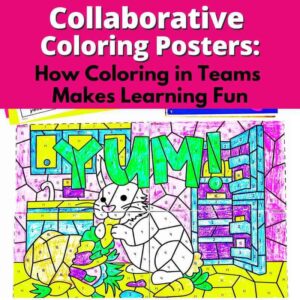
There are days when students need practice, but you also want them talking, thinking, and working together instead of sitting silently at their desks.
That’s exactly where collaborative coloring pages come in!
They turn review into a shared experience, give every student a role, and create something visual students are genuinely proud of when they’re done. Best of all, the structure is simple and flexible enough to work with groups of ANY size–partners, table groups, independently–whatever works best for your classroom.
Collaborative coloring pages are team-based color-by-code activities where students work together to build one large picture.
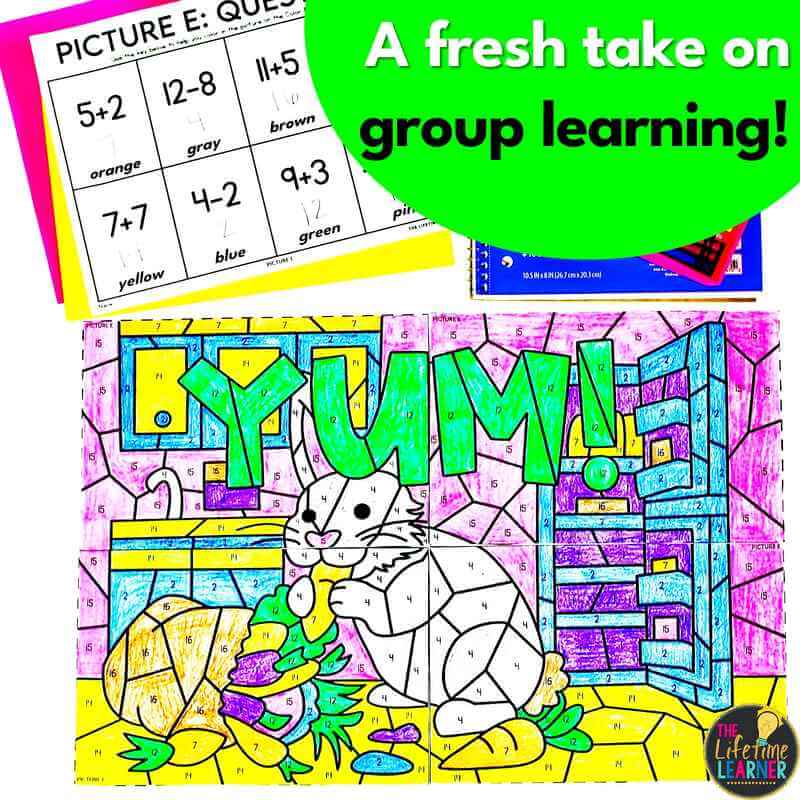
Each group creates a single image, but every student contributes a different piece. When all the pieces come together, the final result is a complete picture that feels more like a group accomplishment than an individual worksheet.
It’s part math or reading practice, part teamwork, and part classroom display all rolled into one!
Before diving into all the ways to use collaborative coloring pages, it helps to actually see one in action! This free team coloring activity is an easy way to try it out with your students and see how easy it is to review skills and practice teamwork at the same time.
Students work in small groups to complete a color-by-code picture together.
Each picture is made up of four separate pieces, and each student in the group completes a different piece of the same picture. Groups typically have four students, but the activity is designed to be flexible if your numbers don’t work out perfectly. This means you can have groups of 3 (and have one student color in 2 pieces) or partners (and each student colors in 2 pieces). Do it the way that works for you!
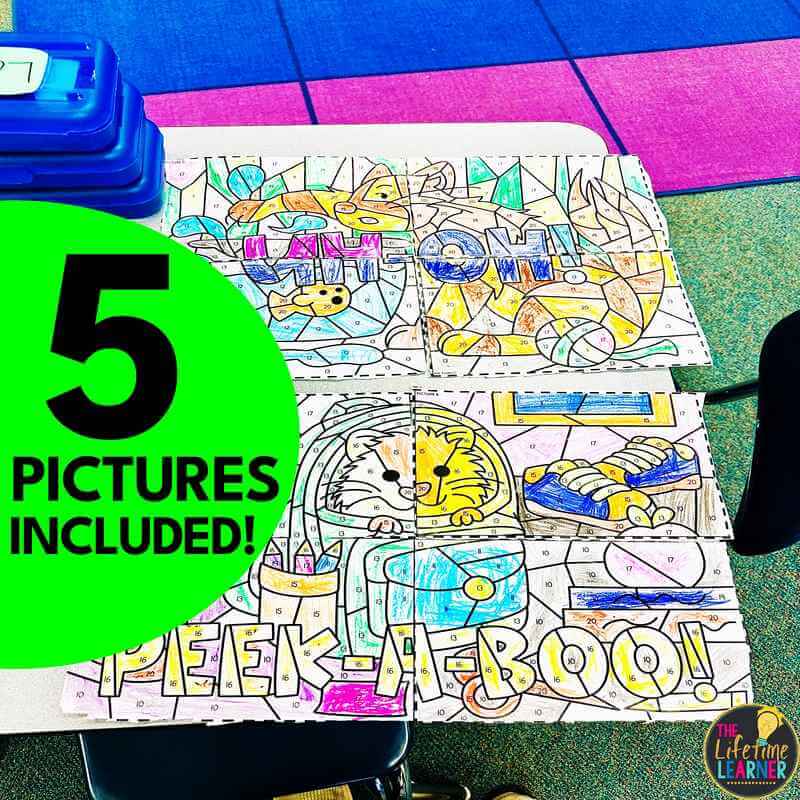
There are five different pictures included in a set, which means you can run multiple groups at the same time without every group working on the same image.
Or, you could give the entire class the same picture and pull out a fresh picture for each table group to complete Monday-Friday for 5 unique pictures.
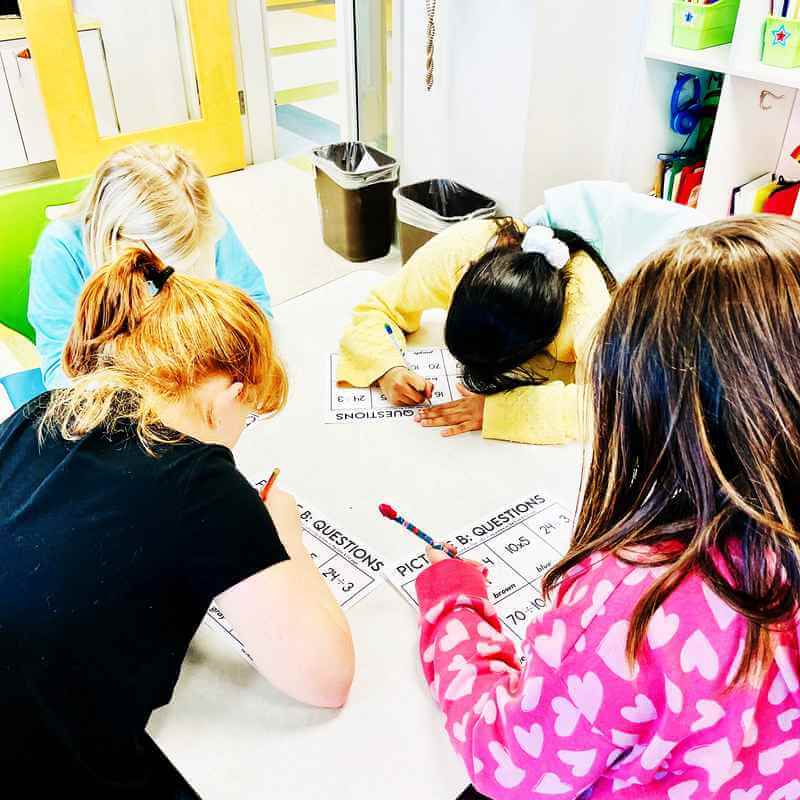
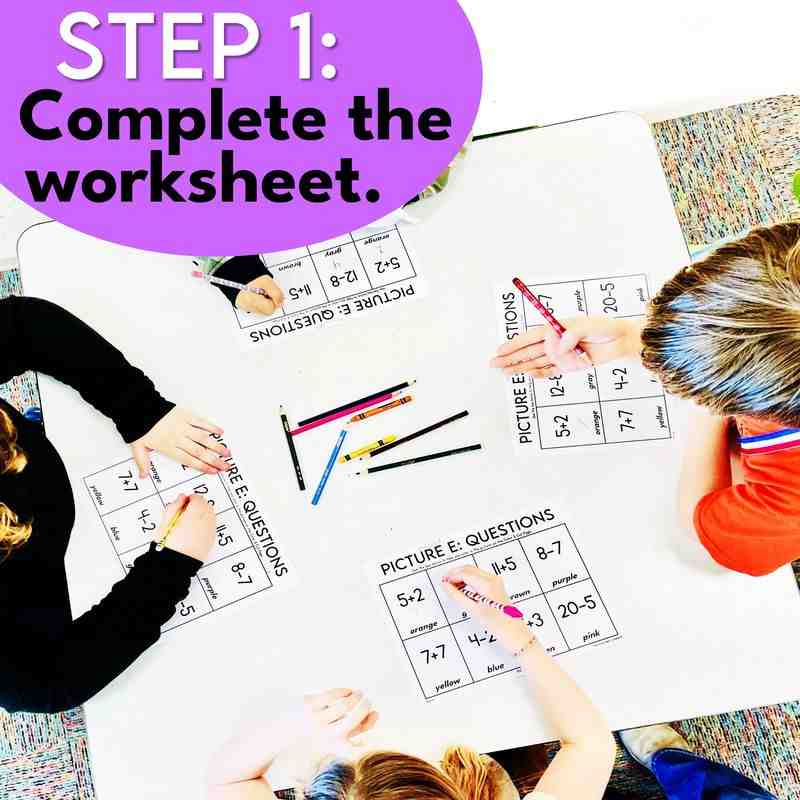
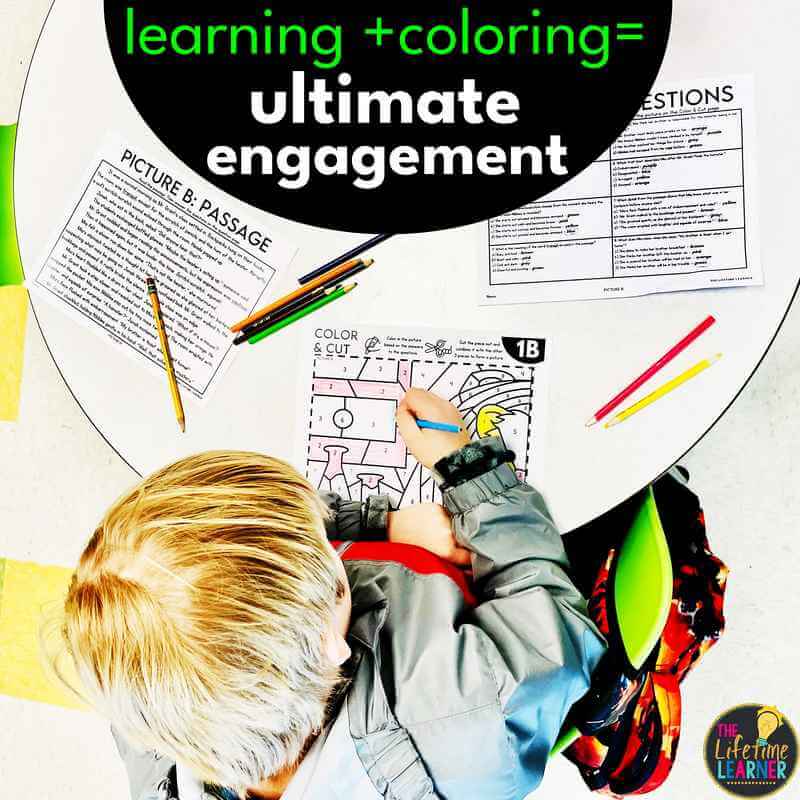
Every student in a group receives the same worksheet, but each student has a different Color & Cut page that matches that worksheet.
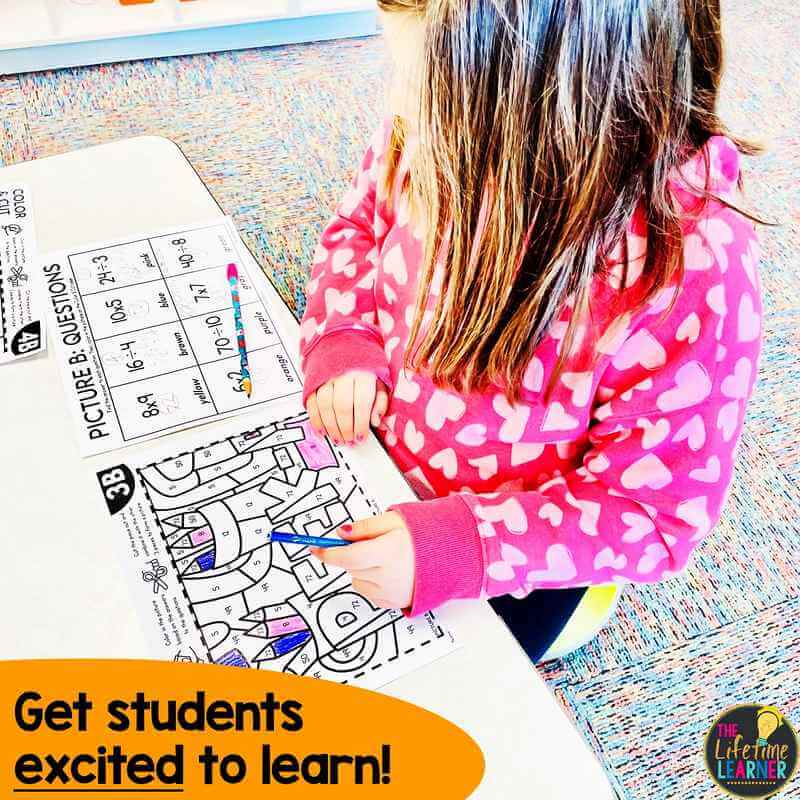
Students start by answering all the questions on the worksheet. This can be done independently or as a group, depending on how you want to run it. No coloring happens yet. Once all questions are complete, the teacher checks the work for accuracy before students move on.
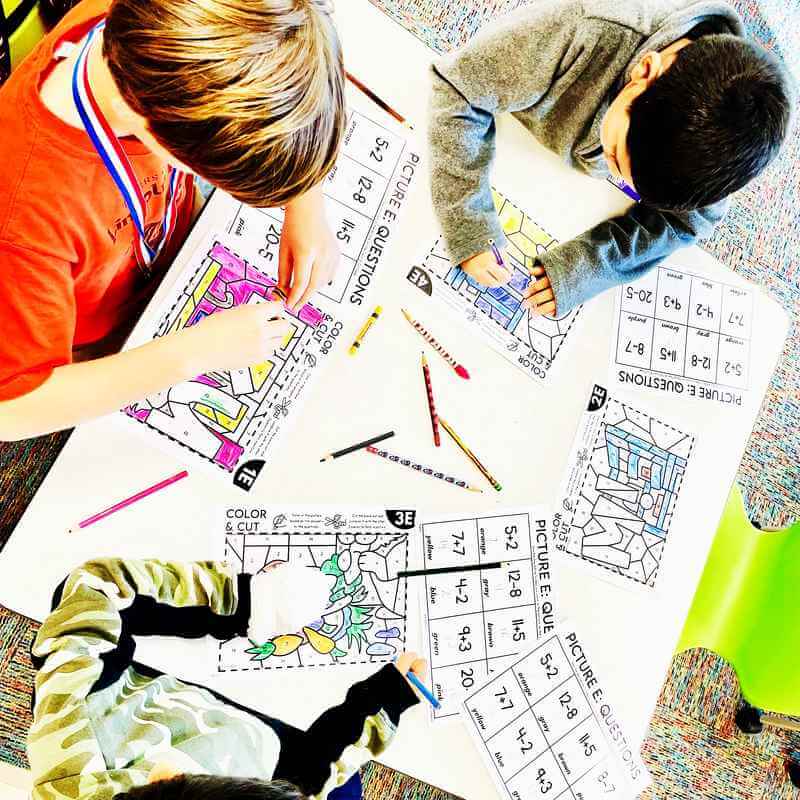
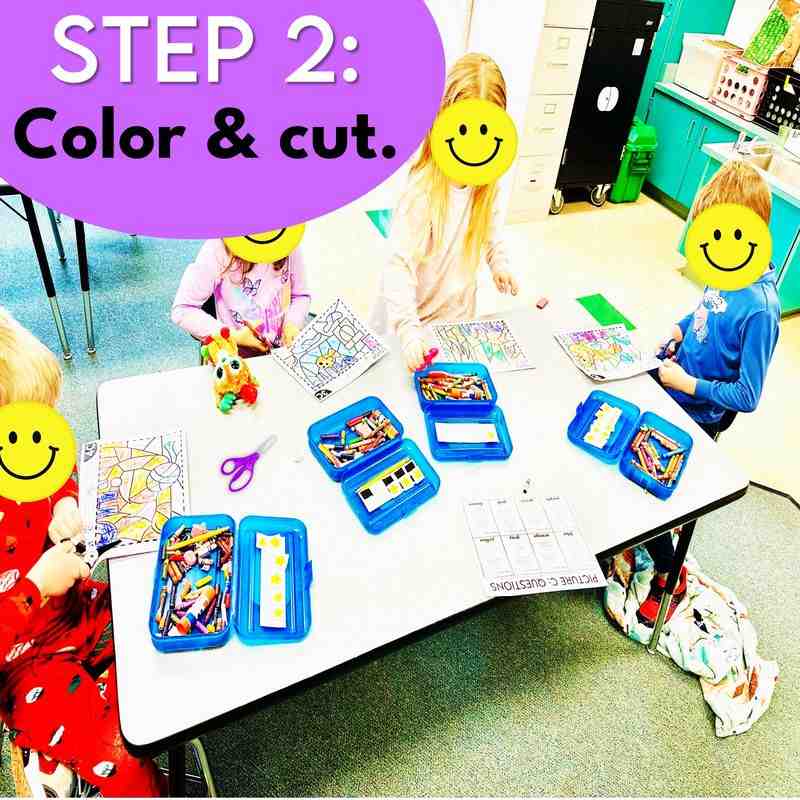
After answers are checked, students color their own piece using the color-by-code directions and then cut it out.
Each piece is labeled clearly so students know exactly which picture it belongs to, even after it’s been cut out. This keeps things organized and prevents mix-ups when groups start assembling their images.
If a group has fewer than four students, or someone finishes early, extra Color & Cut pages can be colored in by any student easily. You don’t need groups of 4 to do this activity. Independent practice, partners, or more than 4 kids in a group is possible.
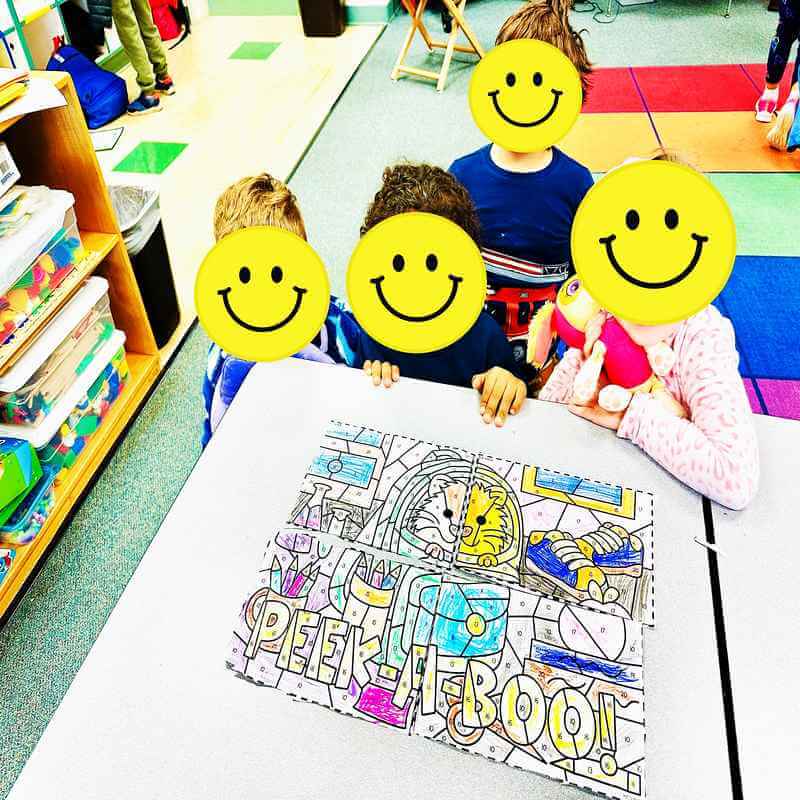
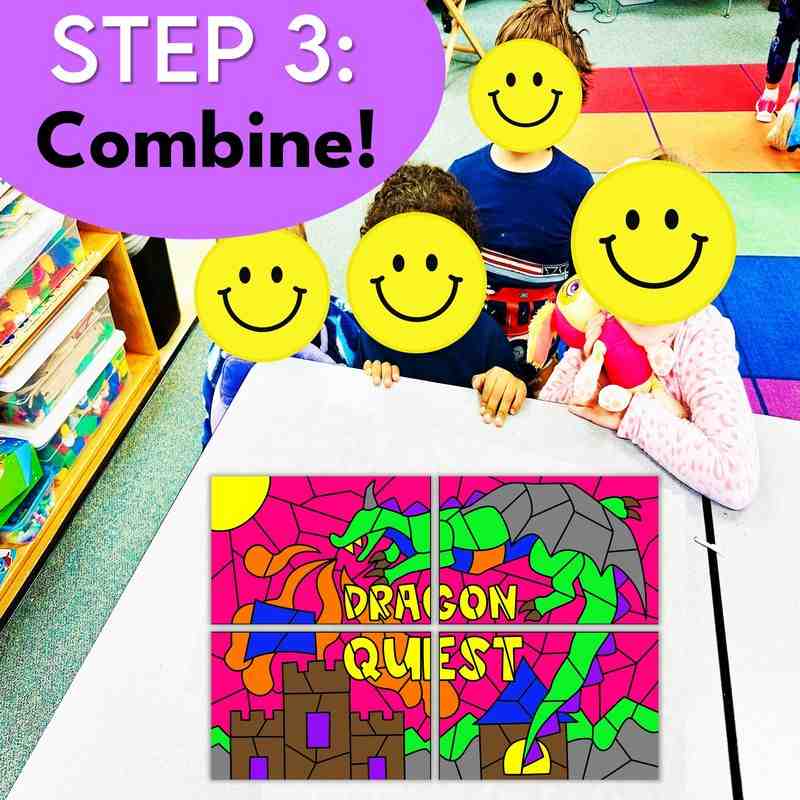
Once all four pieces are finished, students work together to figure out how the pieces fit.
They push their work together to form one complete picture. The finished image can be taped to the wall, glued onto construction paper, displayed in the hallway, or kept near the group’s table.
Not all groups finish at the same time, and that’s expected.
Groups that finish early can begin working on another picture if you’ve printed extra sets. Every themed coloring activity comes with 5 unique pictures for you to choose from. Since each picture includes different problems and a different image, students can complete multiple pictures without repeating work.
You can even add a mystery element by passing out pages randomly and having students find their group later based on what they color in.
Every student has a clear role.
No one is waiting for someone else to finish everything. No one is left watching. Each piece matters, and students quickly realize that the picture only works if everyone contributes.
The shared goal keeps students focused, encourages communication, and naturally builds teamwork without needing rewards or competition.
Plus, when the picture goes up on the wall, students know they created it together!
One of the best things about collaborative coloring pages is how flexible they are.
Teachers use them during:
They’re especially helpful on days when you don’t want to introduce something new, but you also don’t want students zoning out. Once students understand the routine, collaborative coloring pages are easy to reuse again and again.
Traditional coloring is often independent and quiet, which has its place. Collaborative coloring pages shift the focus to shared responsibility.
Students aren’t just coloring to pass time. They’re earning each section and working toward a group goal. That difference changes how students approach the activity. It also helps with common classroom concerns like uneven participation or students finishing early. Since the picture belongs to the whole group, everyone has a role to play.
After trying one team-based coloring activity, many teachers look for ways to keep the activity fresh throughout the year.
That’s where these 30 themed options come in! With a wide variety of themes, you can match collaborative coloring pages to seasons, holidays, or topics your students already love. The structure stays familiar, but the visuals change enough to keep students interested.
Shop team coloring pages on the website shop.
Or, browse 30 different themes on TPT:
There are also math and reading bundles available, making it easy to use collaborative coloring pages consistently without having to search for new activities.
Teachers stick with collaborative coloring pages because they work and are easy to prep.
They don’t require elaborate setup.
They don’t depend on prizes or competition.
They don’t derail the lesson.
They simply make practice feel more engaging while keeping students working together.

New to team-based coloring or looking for an easy way to get students working together? You’re in the right place! On the blog, you’ll find practical tips for using collaborative coloring pages to build teamwork, boost engagement, and make review more fun.
Find information on what you need:
Browse Team-Based Coloring Collections on TPT:
Join in on social media! Follow along to see more games on Instagram, Facebook, Facebook Group, or TikTok.