
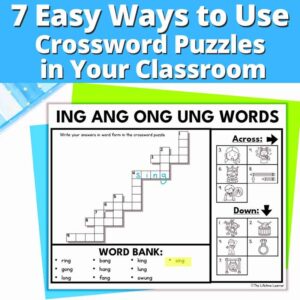
Crossword puzzles are one of those classroom tools that never really go out of style. They feel familiar to students, they’re easy to explain, and they sneakily pack in a lot of learning. When used with intention, math and reading crossword puzzles can reinforce skills, strengthen vocabulary, and keep students focused.
Teachers often ask how to make practice feel more engaging without adding more prep. That’s where math and reading crossword puzzles really shine! They work across grade levels and across subjects.
Below are seven easy, realistic ways to use them in your classroom that feel natural, purposeful, and doable.
Crossword puzzles make excellent morning work or bell ringers. Students walk in, grab a puzzle, and get started. No long directions. No extra materials.
Warm-ups should feel achievable. Crossword puzzles hit that balance of challenge and confidence. They review previously taught skills without overwhelming students first thing in the morning.
Ways teachers use them as warm-ups:
Because math and reading crossword puzzles feel familiar, students are more willing to try. That small win early in the day can set a positive tone for everything that follows!

Independent practice doesn’t have to mean quiet worksheets and rushed answers. When students work on math and reading crossword puzzles independently, they engage differently.
They slow down.
They check spelling.
They notice patterns.
That extra processing helps information stick. Crossword puzzles are especially helpful for skills that need repetition, like math facts, academic vocabulary, and phonics.
They’re also easy to differentiate:
Students feel successful, and you get meaningful practice without creating multiple activities.
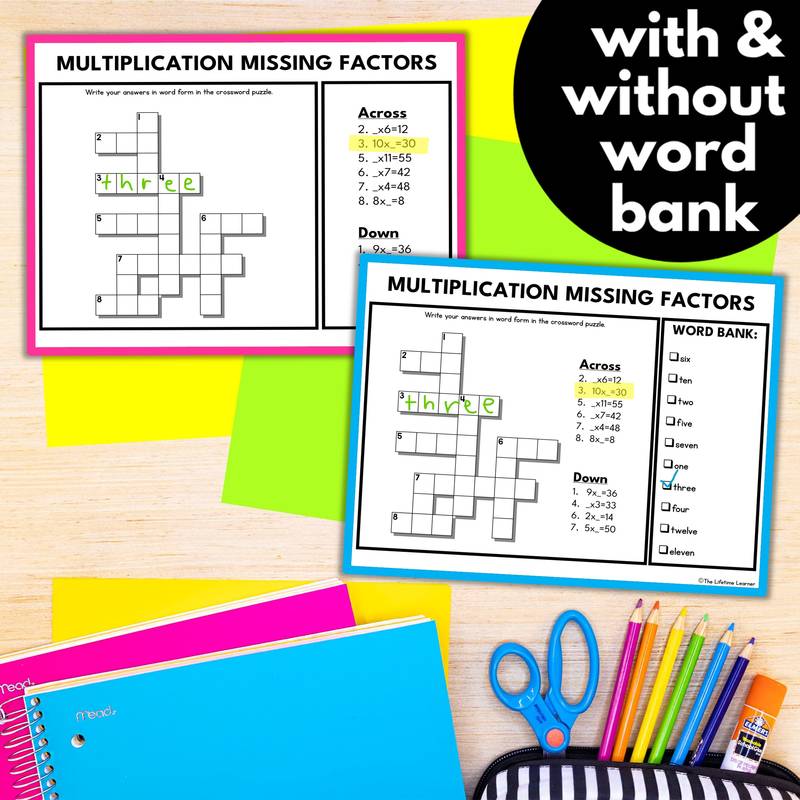
Crossword puzzles work surprisingly well with partners. Students talk through clues, explain their thinking, and help each other spell or solve.
This kind of collaboration feels natural. It doesn’t force discussion, but it encourages it.
In small groups, math and reading crossword puzzles can:
They also fit easily into guided math or reading rotations. While you work with one group, another group can collaborate quietly on a crossword puzzle tied to the same skill.
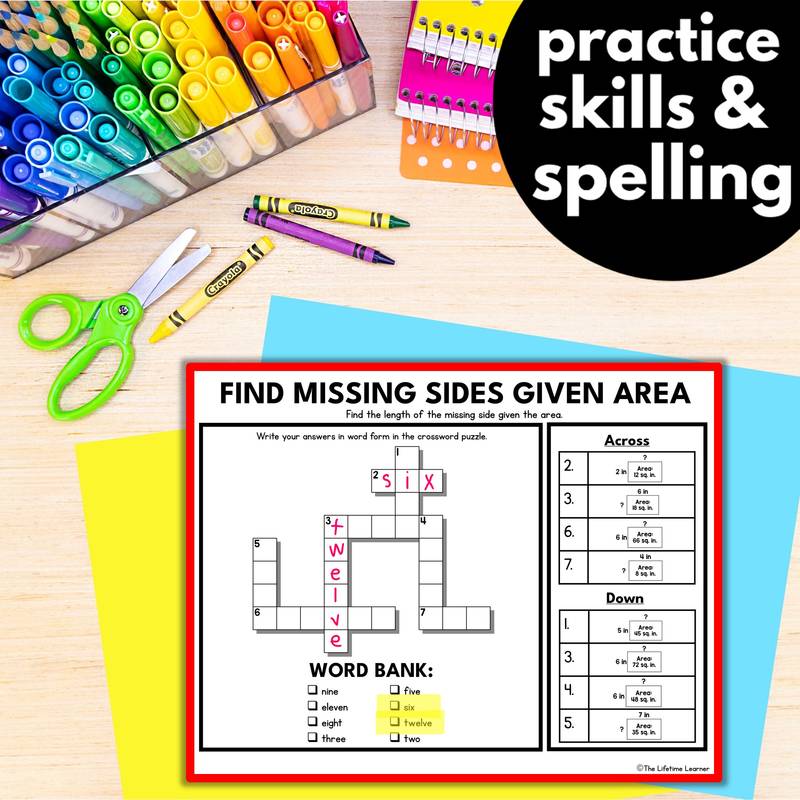
Hands-On Games are an engaging way to keep students focused during center rotations or on review days. Grab 5 of them (including a crossword puzzle) for free below!
Centers are one of the most popular places to use math and reading crossword puzzles. Once students know how they work, they can complete them independently with minimal reminders.
Crossword puzzles are ideal for centers because:
You can rotate them regularly or keep a few options available so students feel some choice. Either way, crossword puzzles add variety to centers without adding complexity.
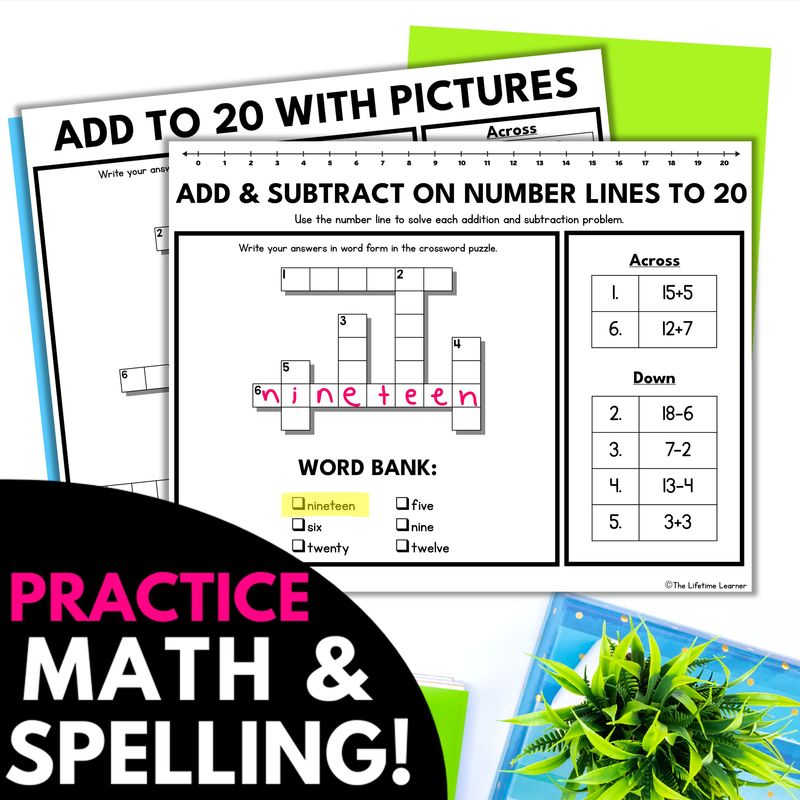
Fast finishers need something meaningful to do. Crossword puzzles are an easy solution.
Keep a small bin or folder of math and reading crossword puzzles available. When students finish early, they grab one and get started. No extra directions needed.
Why this works:
Over time, students start asking for crossword puzzles. That’s when you know they’ve become part of the classroom routine.
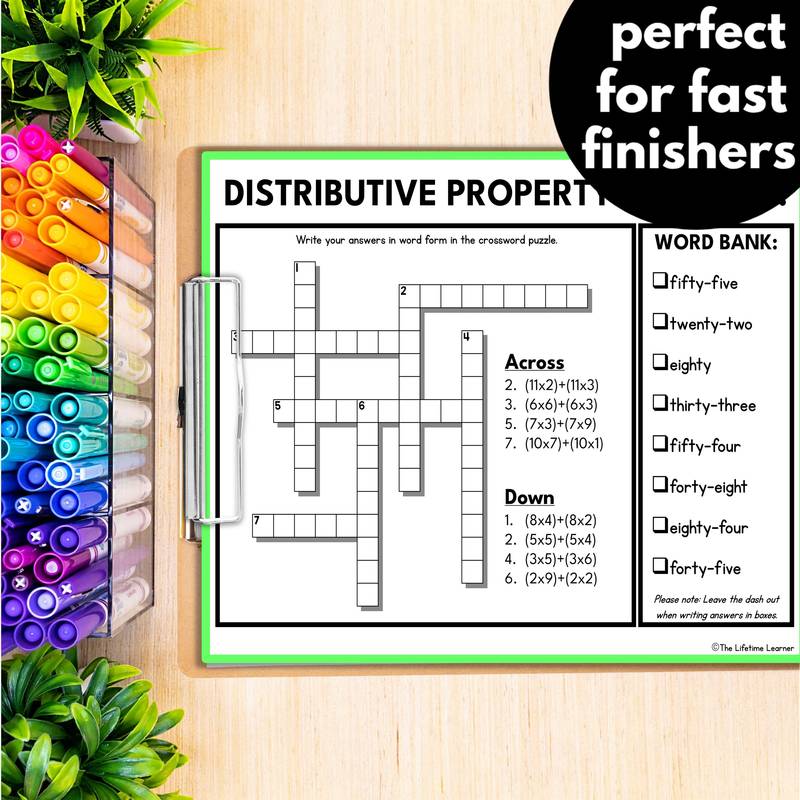
Homework should be clear and manageable. Math and reading crossword puzzles check both boxes!
They work well for:
Parents often appreciate crossword puzzles because they’re familiar and easy to understand. Students are more likely to complete them carefully, which makes homework time more productive.

Review days don’t have to be loud or chaotic to be effective. Math and reading crossword puzzles offer a calm way to revisit key skills before assessments.
They help students:
You can use crossword puzzles at the start of a review day, during rotations, or as a follow-up activity. They reinforce learning without adding pressure, which helps students feel more confident going into assessments.
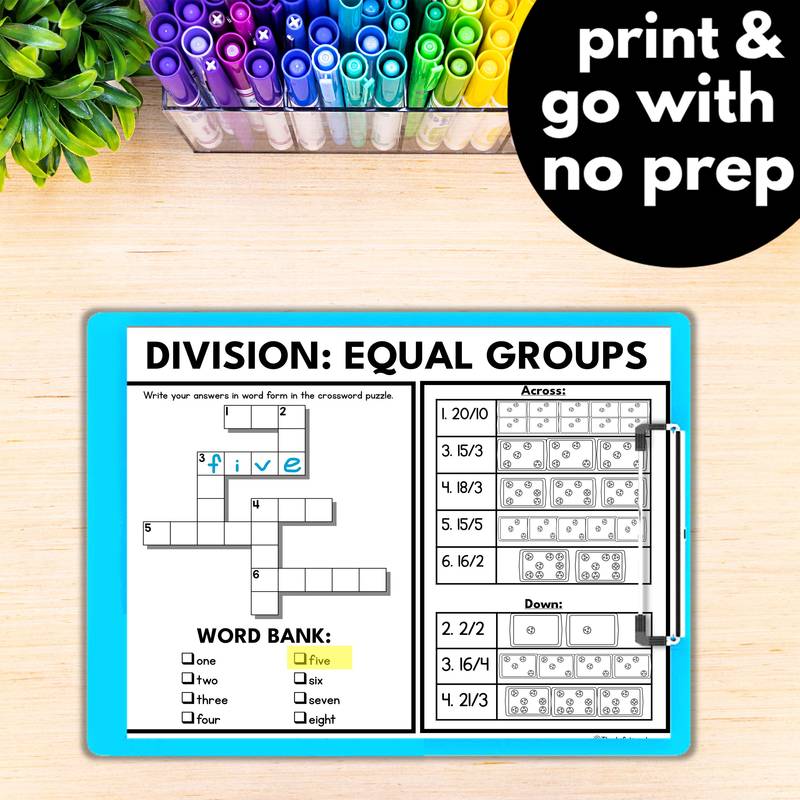
Looking for crossword puzzles that match exactly what you’re teaching? Each set is organized by grade level and skill, so it’s easy to grab what fits your class right now.
Shop crossword puzzles on the website shop here.
Or, explore crossword puzzles for K-5 on TPT:

Math and reading crossword puzzles ask students to do more than just answer questions. They require thinking, spelling, checking, and adjusting. If an answer doesn’t fit, students notice. That built-in feedback encourages problem-solving without pressure.
They also combine skills in a way worksheets often don’t. In math, students solve equations and spell out the answers. In reading, they connect definitions, phonics patterns, or vocabulary words directly to written language. That overlap makes math and reading crossword puzzles especially effective for review and reinforcement.
Another big reason teachers love them? They’re predictable. Once students understand the format, they can work more independently. That frees you up to teach, observe, or support small groups.
Math and reading crossword puzzles are flexible, low-prep, and effective. They work during warm-ups, centers, partner work, independent practice, review days, and homework.
They support real learning without requiring a complete lesson overhaul. When students feel confident and engaged, practice becomes more meaningful. That’s what makes math and reading crossword puzzles such a valuable tool to keep in regular rotation.

Let’s Keep Learning Hands-On!
New to hands-on classroom games or looking for easy ways to boost engagement? You’re in the right place! On the blog, you’ll find practical tips for using hands-on games in a variety of ways.
Find information on what you need:
Browse Hands-On Game Collections on TPT
Join in on social media! Follow along to see more games on Instagram, Facebook, Facebook Group, or Tiktok.