

There are some classroom activities that look simple on the surface but end up doing a lot of heavy lifting. Dominoes are one of those games! They don’t come with complicated directions. They don’t feel flashy. And yet, once students start playing, the engagement sticks.
Domino games take a familiar concept and turn it into meaningful practice across math, reading, vocabulary, and grammar. Students recognize the format right away, which lowers hesitation. Teachers recognize the structure, which keeps learning on track. That combination is what makes domino games such a reliable choice in real classrooms.
If you’ve ever wanted a hands-on activity that feels manageable, reusable, and genuinely useful, domino games are worth a closer look.
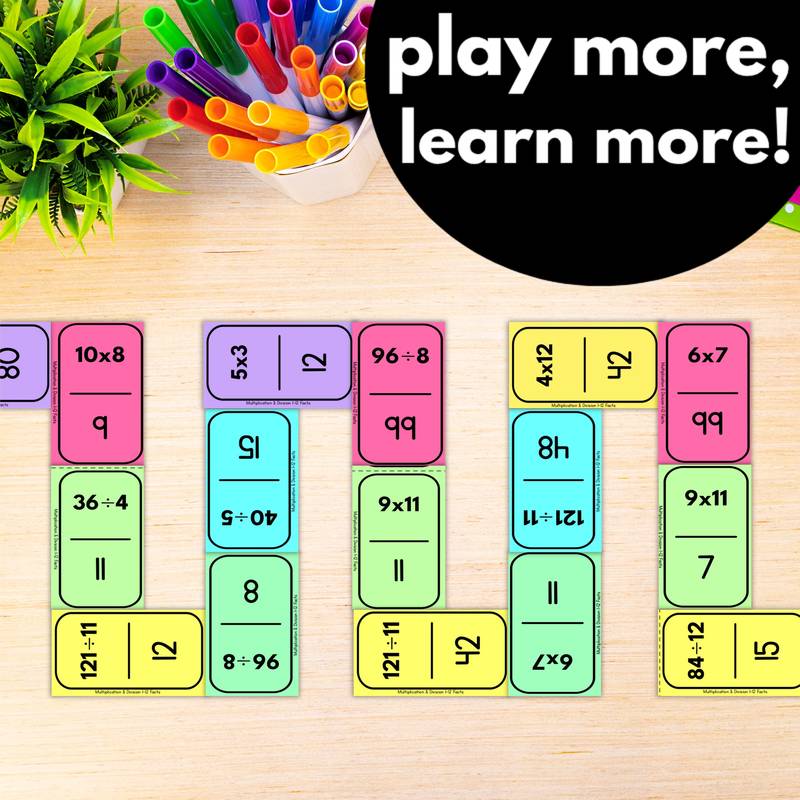
Domino games follow a clear, repeatable structure. Each domino has two parts. One side presents a question, word, or prompt. The other side shows a possible answer. Students connect dominoes by matching correct answers, building a chain as they go. Once students understand the routine, everything else becomes easier.
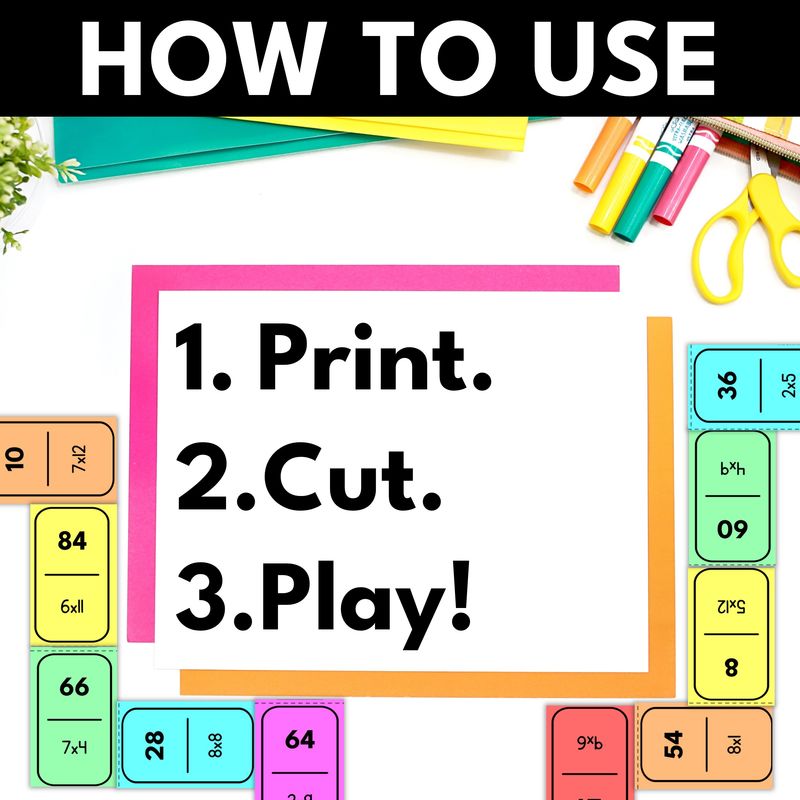
Most teachers introduce domino games like this:
After that first introduction, students need very little support. The format stays the same, even as the content changes. That consistency is what allows domino games to be reused all year without reteaching directions every time.
If you’re curious about using domino games but haven’t tried them yet, starting with a free set is the easiest way to see how they work in your classroom.
A free set lets you:
Seeing students jump in confidently makes it easier to imagine using domino games more often. This freebie includes 5 hands-on games your students will love.
Students tend to relax when they play domino games. The pressure feels lower than a worksheet, even though they’re still practicing important skills.
Part of that comes from the physical nature of the game. Students are holding cards, placing them, and adjusting as they go. That movement keeps their attention longer than pencil-and-paper tasks.
Another reason students respond well is that domino games feel social. Even quiet students participate because the structure gives them a clear role. They aren’t guessing when it’s their turn or wondering what to do next. They’re focused on finding the right match.
Over time, students begin to trust the process. They know what’s expected. They know they’ll get another chance if a move doesn’t work. That confidence builds quickly.

From a teacher’s point of view, domino games remove a lot of friction from lesson planning. They don’t require long explanations, special materials, or constant monitoring.
Once the game is taught, teachers can:
Domino games also give teachers flexibility. The same set can be used quietly one day and with more energy the next. It can be collaborative or competitive depending on what your class needs.
That adaptability makes domino games especially helpful on days when attention spans are short or schedules are tight.
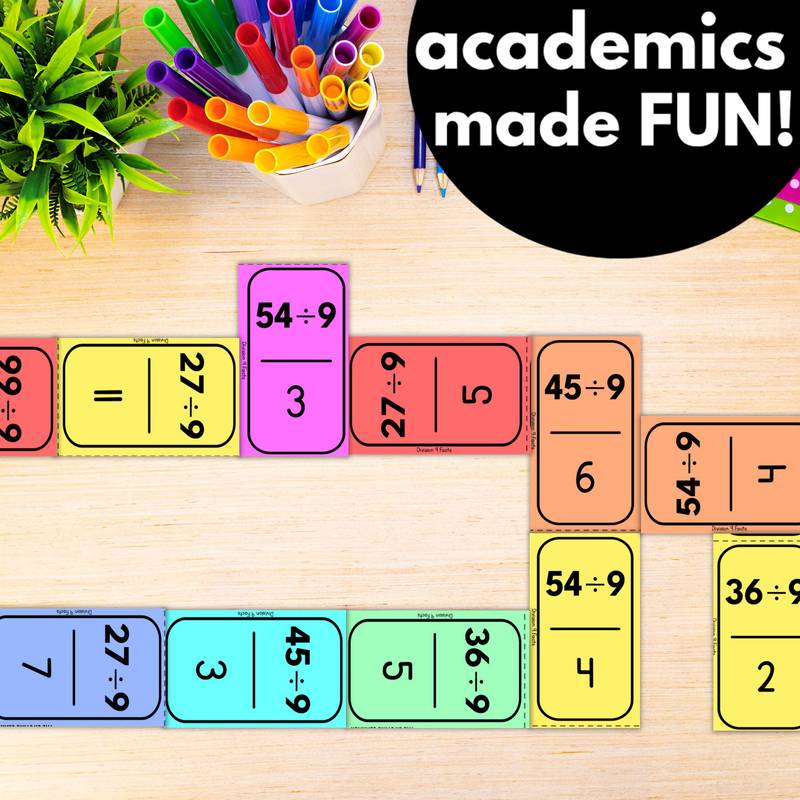
One of the biggest strengths of domino games is how easily they work across content areas. Teachers often use the same game format in math one week and reading or grammar the next.
Here are 4 examples:
Because the structure stays familiar, students focus on the content instead of the directions. That makes transitions smoother and practice more efficient.
Domino games are naturally flexible, which helps teachers meet students where they are. There are so many unique ways to utilize them.
Some days, teachers use domino games in a turn-based format.
Other days, they let students race to place all their dominoes first.
Sometimes students work together to build one long chain.
Other times they play independently.
The game adapts to the classroom, not the other way around.
That flexibility also helps with differentiation. Without changing the activity, teachers can adjust group size, pacing, or expectations. Students still feel included, and teachers don’t need multiple versions of the same lesson.
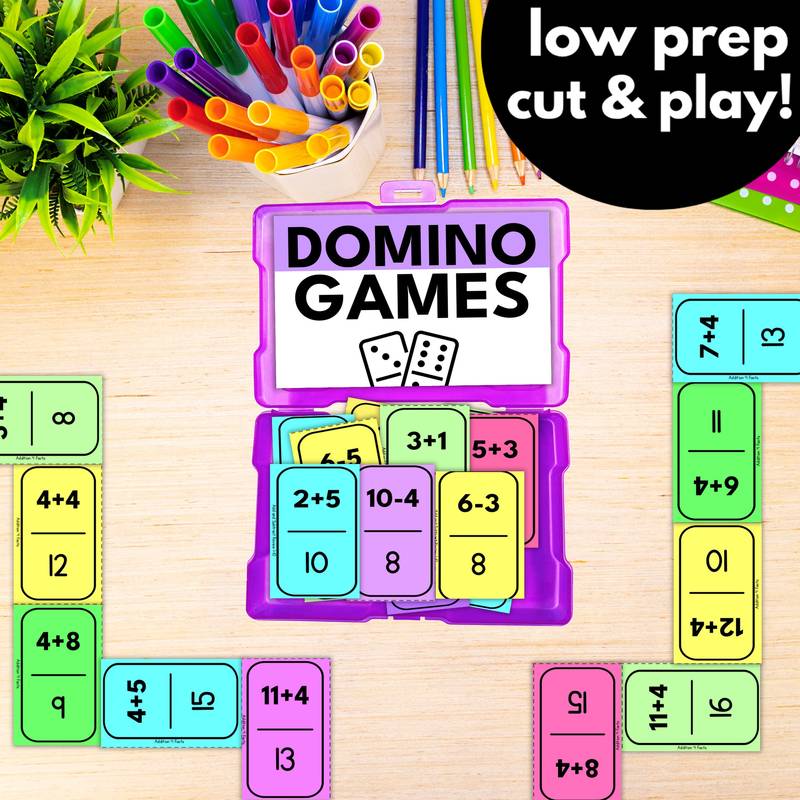
Repeated practice is essential, but it can feel dull when it looks the same every time. Domino games solve that problem by changing how students interact with the content.
Instead of answering a question and moving on, students are constantly checking their thinking. They look at the chain. They notice when something doesn’t fit. They adjust their strategy.
This kind of thinking keeps students mentally engaged longer. It also helps them catch mistakes on their own, which builds independence over time.
Even though domino games are interactive, they tend to keep classrooms surprisingly peaceful. Students are busy, but they’re focused. Conversations stay on task because they’re centered around finding the correct match.
Also, teachers often notice fewer behavior issues during domino games compared to traditional practice. Students have a clear goal and a clear structure. That clarity makes a difference.
Domino games give students a sense of control as well. They make decisions, test ideas, and see immediate results. That ownership keeps motivation high without constant reminders.

Once you’ve seen how domino games work, it’s easy to build them into your routine. Below is a list where you can link to individual domino game sets by grade level or subject area.
Find all domino game packs here on the website shop.
Or browse Domino Games on TPT:
Domino games work because they respect students’ need for movement and interaction while respecting teachers’ need for structure and simplicity. When practice feels approachable and purposeful, everyone benefits.

Let’s Keep Learning Hands-On!
New to hands-on classroom games or looking for easy ways to boost engagement? You’re in the right place! On the blog, you’ll find practical tips for using hands-on games in a variety of ways.
Find information on what you need:
Browse Hands-On Game Collections on TPT
Join in on social media! Follow along to see more games on Instagram, Facebook, Facebook Group, or Tiktok.